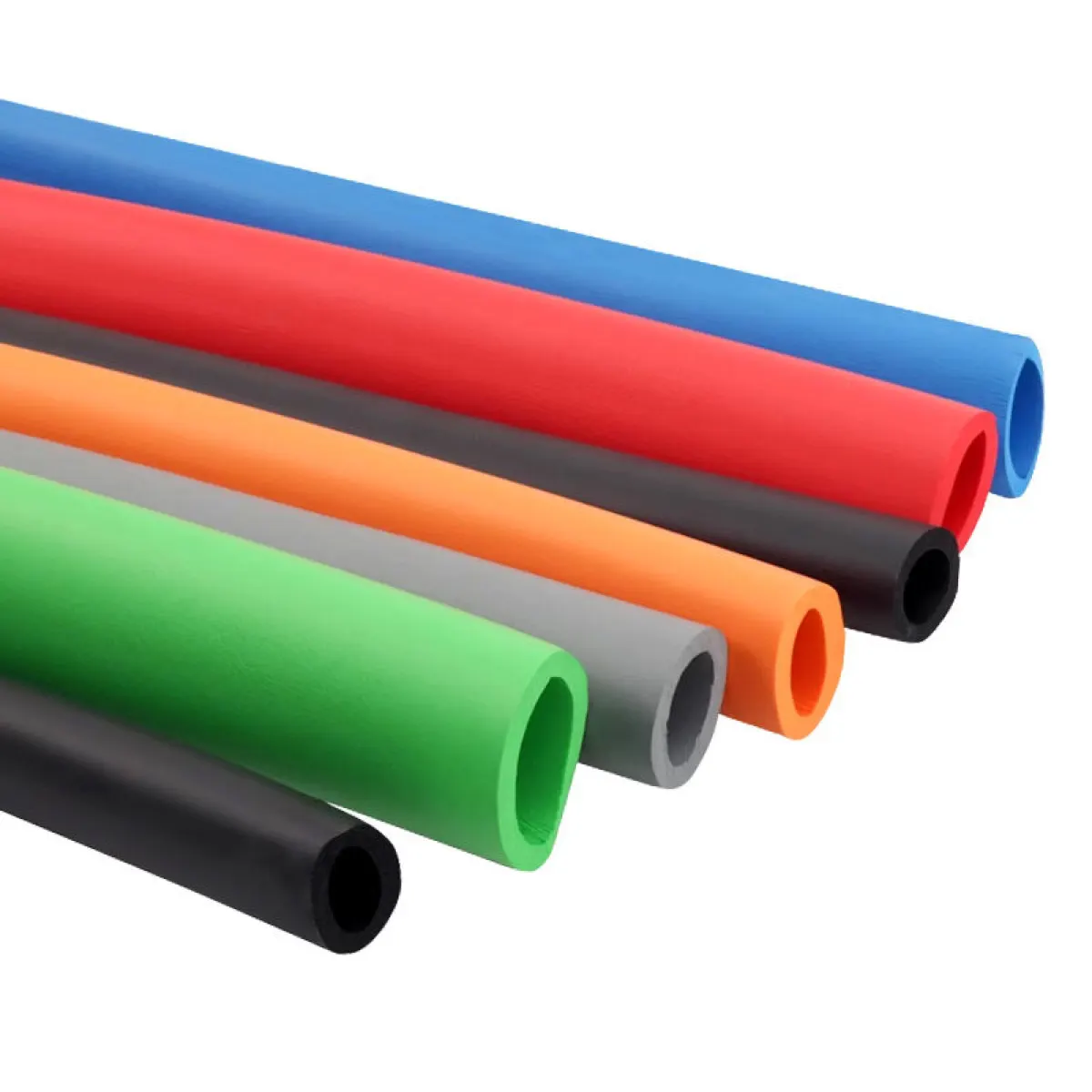
Silicone tubing carries fluids, air and vapor between points where cleanliness, temperature or flexibility rules out rigid pipe. The wall is the working part: it has to hold pressure without ballooning, resist vacuum without collapsing, and stay flexible enough to route around a machine. In a peristaltic pump the same wall is squeezed continuously through a shift, so tear strength and elastic recovery matter more than burst strength.
Platinum curing is what separates transfer-grade tubing from general hose. The cure leaves a smooth, non-stick bore with very low extractables and a surface that sheds residue instead of holding it. That is why biopharma, dialysis and food filling lines specify platinum-cured tube even where a cheaper peroxide-cured tube would meet the pressure.
Failures are usually mechanical or thermal. Peristaltic tube fatigues and splits where the rollers close; unreinforced tube collapses under vacuum or kinks at a tight bend; braid or wire reinforcement separates from the wall if the bond is poor; repeated steam cycles harden the compound until it cracks. Extractables and discoloration are the quieter failure: the tube is still intact but no longer clean.
Custom work begins with the bore. ID, OD and wall thickness set flow, pressure and pump fit; the cure system, reinforcement and color coding follow. A tube that fits the fitting but not the pump, or meets the temperature but not the sterilization cycle, is the usual reason a first sample fails.
## Variant range
Constructions differ in cure system and reinforcement; all are extruded, and all share the same smooth bore.
| Variant | Construction | Typical use |
|---|
| Platinum-cured tube | Platinum-catalyzed cure, smooth bore | Biopharma transfer, medical lines |
| Peroxide-cured tube | Peroxide cure, general purpose | Industrial air, vapor and vent lines |
| Braided tube | Braid reinforcement in the wall | Pressure lines and higher working loads |
| Wire-reinforced tube | Wire helix embedded in the wall | Vacuum and suction lines |
| Peristaltic pump tube | Platinum-cured tube with high tear strength | Dosing, metering and analytical pumps |
| Translucent tube | Translucent compound, smooth bore | Flow, bubble and contamination monitoring |
| Striped tube | Color-coded stripe along the length | Line identification on skids |
## Material selection
Platinum-cured silicone is the default for medical, pharma, food and laboratory work: smooth bore, low extractables, USP Class VI and FDA 21 CFR 177.2600 grades. Peroxide-cured silicone remains available for general industrial lines where those standards are not required and cost matters more.
The temperature window is -70°C to 232°C, and the compound withstands steam autoclaving. That covers hot-air and vapor lines, ovens and dryers as well as clean transfer. It does not make the tube a pressure hose on its own: pressure and vacuum duty call for braided or wire reinforcement, and the reinforcement is chosen with the line pressure rather than after it.
Tear strength is the specification peristaltic users should ask about. A soft wall pumps gently but fatigues quickly; a firmer wall usually lasts longer but needs more drive torque. Wall thickness and hardness are matched to the pump rather than to the fitting alone.
Translucent grades let operators see flow, bubbles and contamination without breaking the line, and color-coded stripes identify parallel lines on a skid. Neither changes the bore chemistry. For larger-bore transfer and general hose duties, see rubber hose.
## How it is made
Tubing is extruded in continuous lengths and then cured. Platinum-cured compounds are mixed and metered for a clean cure; peroxide-cured stock is extruded and cured in a continuous line. Braided and wire-reinforced constructions build the reinforcement into the wall during extrusion rather than sleeving it on afterwards.
Lengths are cut and coiled to order. Tooling for a new size is quoted in 7 days, samples follow in 7–12 working days, and tooling fees are refunded after the agreed volume. Sterilization validation support is available for medical and pharma projects.
## Where it is used
Biopharma uses transfer lines, fermenters and chromatography systems; medical uses peristaltic pump tubing, dialysis and infusion lines. Food and beverage uses dosing and filling lines, cosmetics and personal care uses filling lines, and laboratories use analytical instruments. High-temperature air and vapor lines, ovens, dryers and hot-air circulation take the same tube where flexibility and heat resistance are needed.
## Quality and documentation
Tubing runs under ISO 9001, ISO 14001 and IATF 16949 systems, from compounds compliant to RoHS and REACH, with USP Class VI and FDA 21 CFR 177.2600 grades available. Incoming material, in-process checks and 100% visual final inspection cover every order. Material certificates ship with each lot, batch traceability is kept, and test reports are available on request.
## What to send for a quote
Send ID, OD and wall thickness, the length and coil format, the fluid, the working temperature, pressure or vacuum, the sterilization method, the quantity, your target price and any standard. For peristaltic pumps, include the pump model and expected running hours. We will confirm the cure system, the reinforcement and the wall, then quote.