A waterproof and dust seal protects an assembly from water, moisture, dirt and contaminants. It is molded to fit a groove, a flange or a housing, and it blocks the leakage path that would otherwise run between two parts. With the right interference the joint reaches IP67 and IP68 — 1.5 m of water for 30 minutes and beyond — and third-party test reports are available, so the rating is documented rather than claimed.
The failure modes are geometric before they are chemical. Too little interference and the seal never touches the housing; too much and it will not seat, or it rolls out of the groove during assembly. Compression set then takes over at temperature, contact force drops, and the joint fails after a few thermal cycles. On a dynamic shaft friction is the enemy: the seal grabs, rolls or wears a flat, and the leak starts at the lip. Chemical attack and UV embrittlement finish the job outdoors.
A catalog ring fits a catalog groove. Custom molding starts when the housing is a casting with draft and parting lines, when the seal must be self-retaining during assembly, or when the target rating has to be demonstrated on the actual enclosure. It is also the route when potting is not possible and the seal has to be carried on adhesive.
Variant range
The section is designed from the groove outward, so the variants below describe the joint rather than a fixed catalog.
| Variant | Construction | Typical use |
|---|
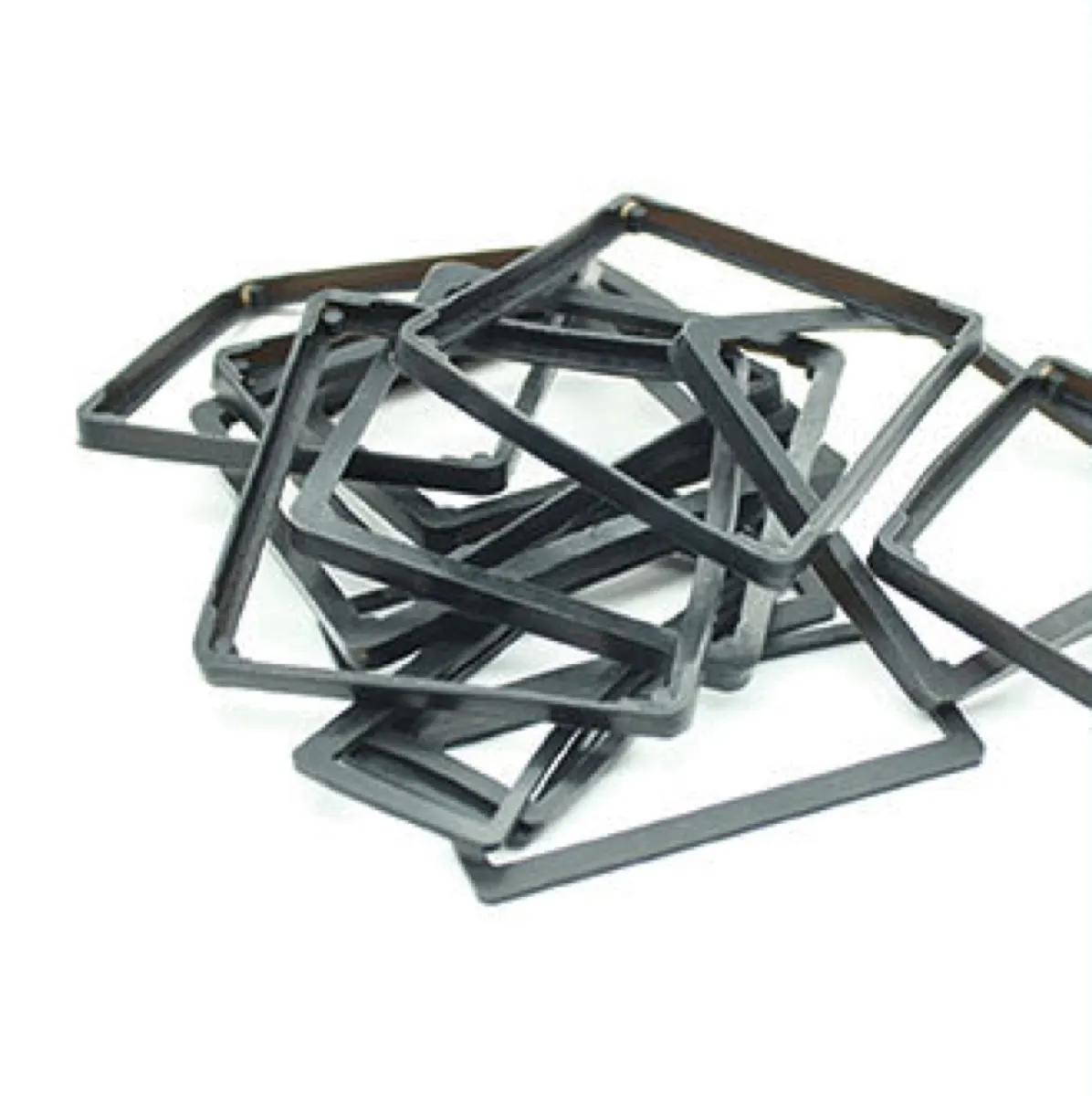
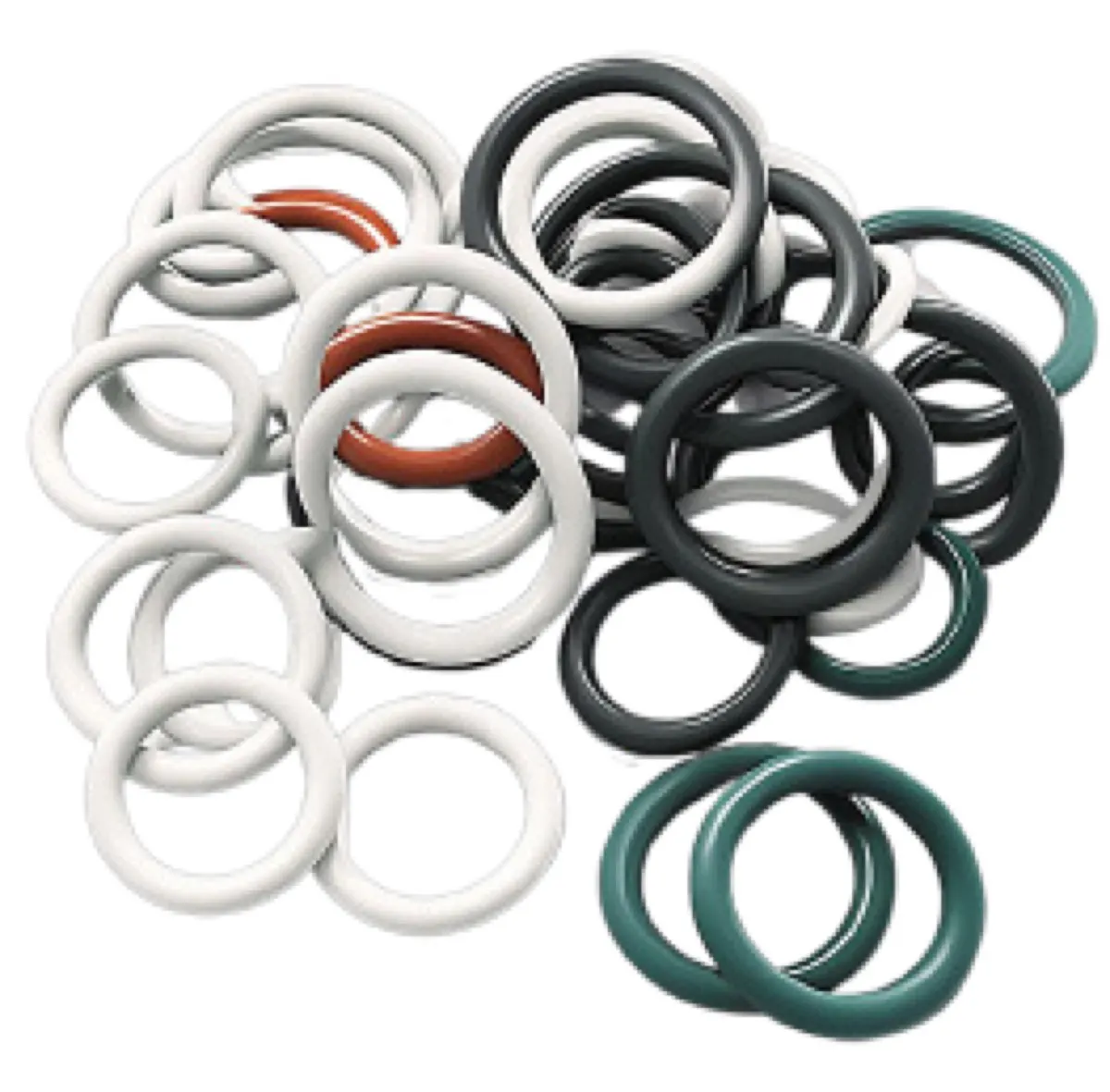
| Groove-fit molded ring | Molded section sized to the groove and its fill | Enclosure lids, housings and control boxes |
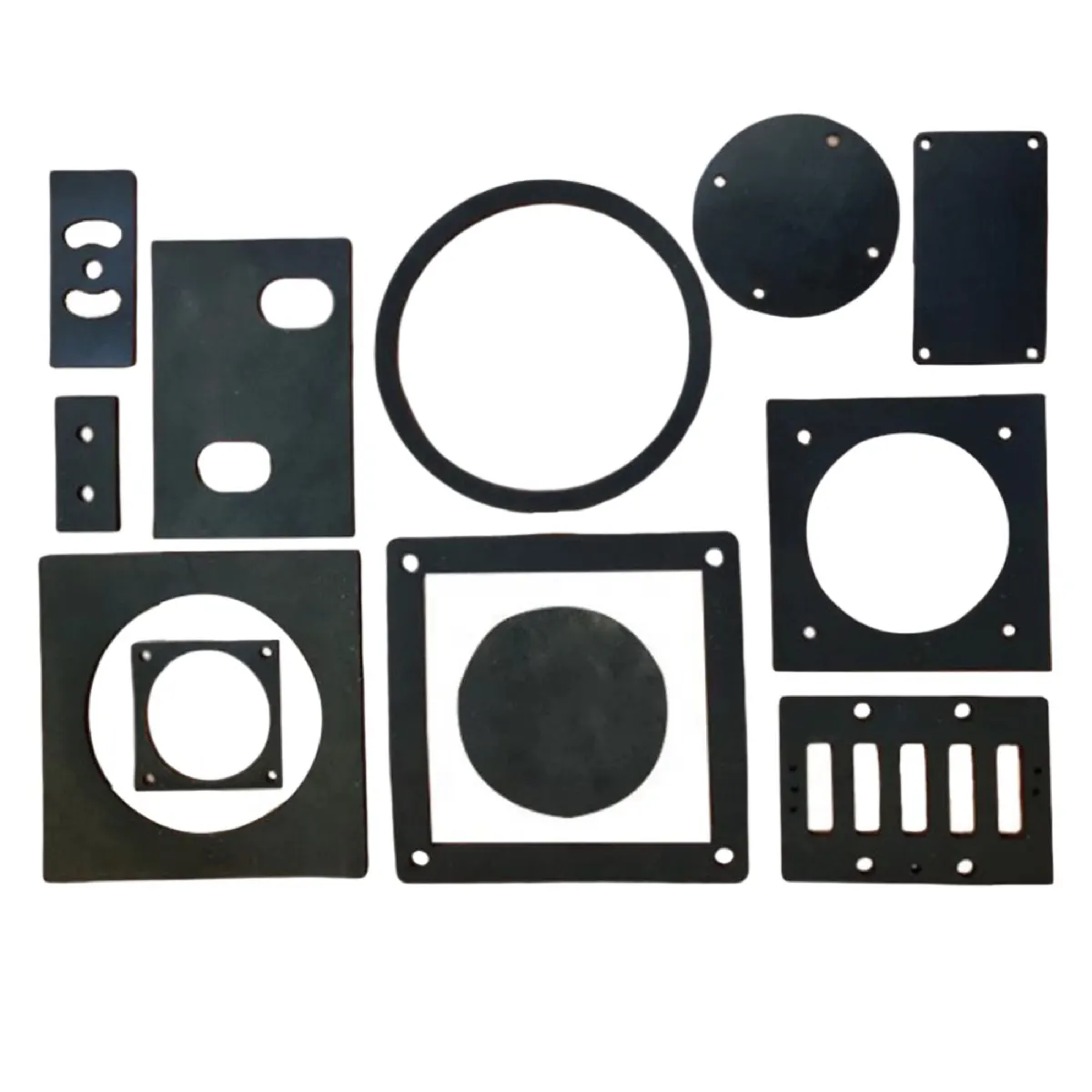
| Flange seal | Flat molded profile clamped between two faces | Panel joints and bolted covers |
| Radial shaft seal | Molded lip running on a shaft | Rotating shafts and motor interfaces |
| PTFE-coated seal | Molded part with low-friction coating | Dynamic shafts where the seal must not grab |
| Self-retaining seal | Molded geometry that holds itself without adhesive | Lid assembly on a vertical line |
| Adhesive-backed seal | 3M backing where potting is not possible | Retrofits and low-volume enclosures |
Material selection
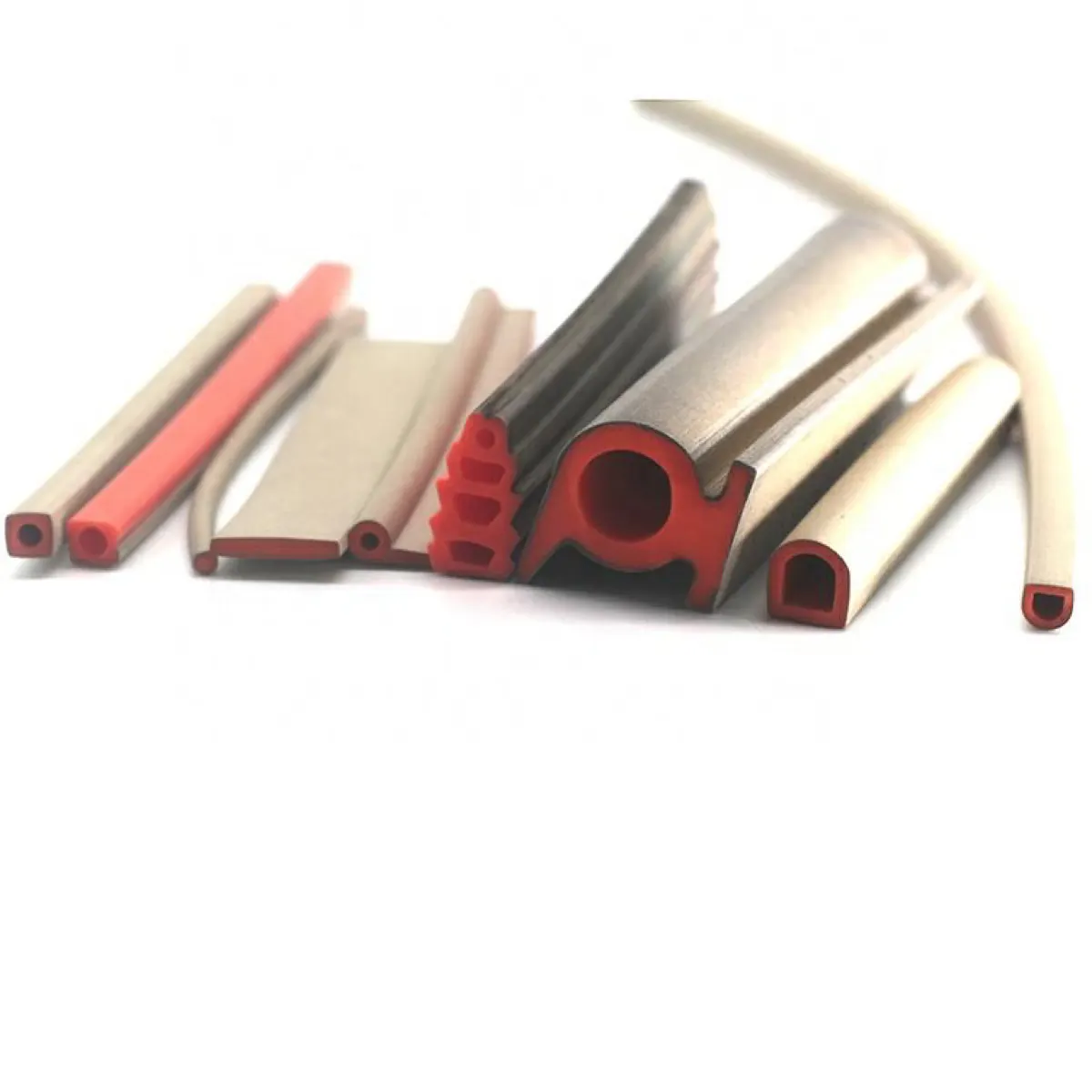
Silicone is the usual choice. It is lightweight at about 1.15 g/cm³, resists UV, ozone and weathering, and keeps its resilience in outdoor service, which is what an enclosure needs. Its resilience is what makes a compression seal work over repeated assembly cycles, and it can be molded into self-retaining shapes that hold themselves in the groove during handling.
FKM is specified where the seal meets oil, fuel or a chemical that would attack silicone. PTFE-coated grades reduce friction on dynamic shafts so the lip does not roll or wear.
Hardness runs Shore A 30–80: soft sections seal at low closing force and fill a rough groove, harder ones resist being pushed out of the gap. The compound and the hardness are chosen together, because a soft compound in a wide gap fails the same way a hard one does in a narrow groove.
How it is made
The part is molded. Groove geometry, target interference and housing material define the tool, and the section is developed from those three inputs. Prototypes are molded for testing, so the rating is proven on the real enclosure before a production tool is cut. Where the seal must be self-retaining, the mold carries the retaining feature instead of adding a secondary operation.
Tooling quotes come back in 7 days and samples in 7–12 working days, with the tooling fee refunded after the agreed volume. First-article and per-shift checks run alongside a 100% visual final inspection, and every order carries material certificates and batch traceability.
Where it is used
Outdoor controllers, sensors and connectors are the core application, where a single molded seal decides whether the enclosure passes IP67 or IP68. New-energy work covers EV battery-pack enclosures, charging gun heads and PV junction boxes, all of which combine a large joint with a hard rating target. Medical and outdoor equipment — defibrillator and field-communication housings — uses the same approach where the seal must survive cleaning and repeated opening.
Marine and washdown equipment, lighting fixtures, street cabinets, outdoor telecom cabinets and camera housings make up the rest. Where the sealing path runs around a cable rather than a lid, a cable grommet does the same job in a smaller space.
Quality and documentation
Seals are produced under ISO 9001, ISO 14001 and IATF 16949 systems from RoHS and REACH compliant compounds. Material certificates, first-article and per-shift checks and a 100% visual final inspection apply to every order, and third-party test reports are available for the IP rating where the project needs documentation. Batch traceability is issued on request.
What to send for a quote
Send the groove drawing with its depth, width and tolerances, the housing material and the surface finish, and state the target IP rating and the test method behind it. Add the medium, the operating temperature, the hardness in Shore A and whether the seal must be self-retaining or adhesive-mounted. A sample housing shortens the loop more than any description.
Send a drawing or a sample housing, and an engineer will reply within one business day with a section proposal and a tooling quote.