Custom nitrile (NBR) parts for mineral oil, grease and fuel service: -40 °C to 120 °C, Shore A 30-90, oil seals, gaskets, O-rings and hydraulic parts.
Nitrile rubber, NBR, is the compound we quote most often for parts that live in oil. Mineral oil, grease and fuels are its working environment, and it holds them from −40 °C to 120 °C at Shore A 30 to 90 without the cost of a fluoroelastomer.
What This Compound Handles
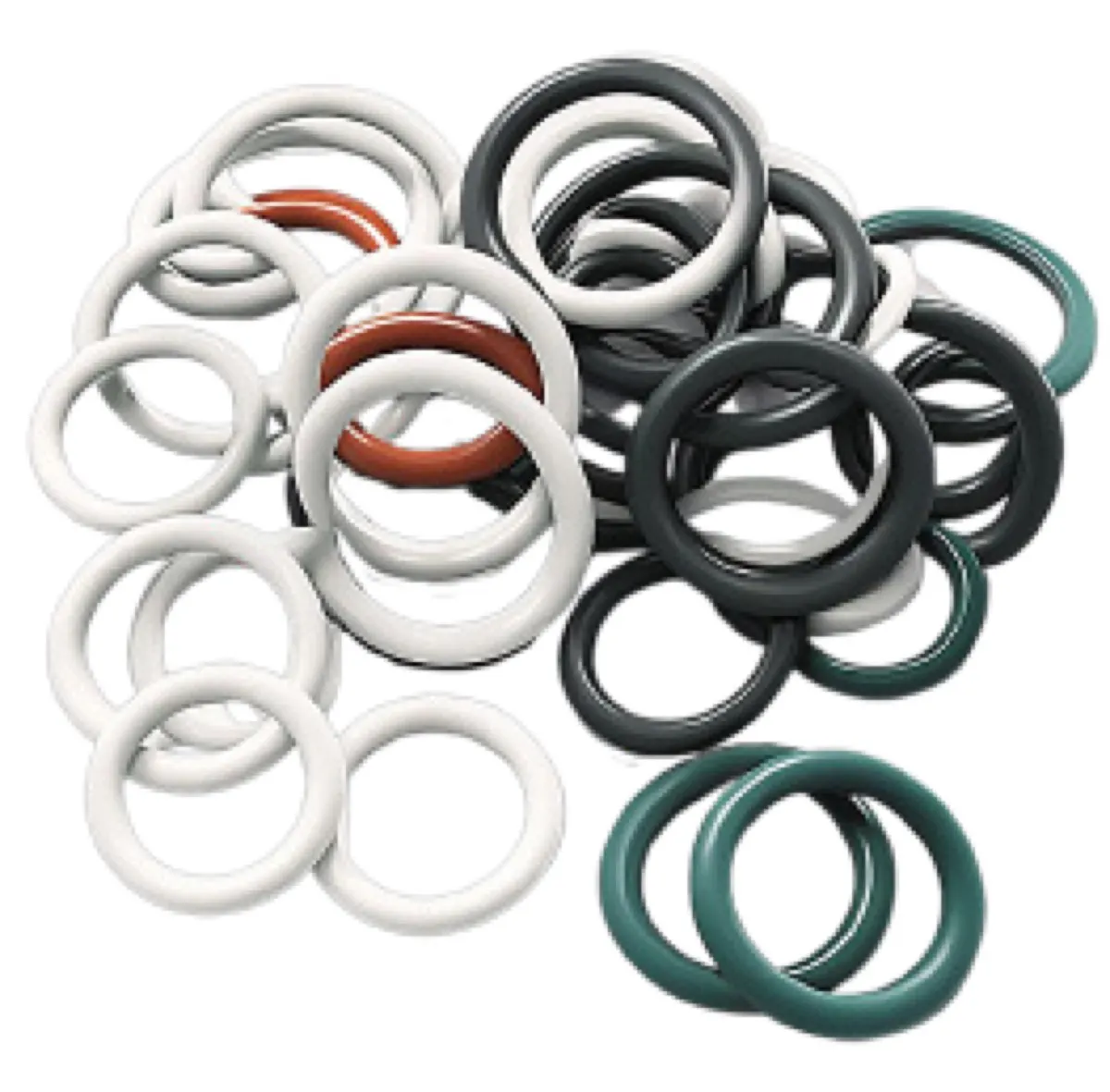
Oil seals, gaskets, O-rings and hydraulic parts, running in mineral oil, grease and fuel service. The temperature window is narrower than EPDM's and much narrower than silicone's, which is the trade for oil resistance at a lower price per part. Above 120 °C continuous, or where the fluid is a fuel or an aggressive chemical, FKM is the compound that holds, at −20 °C to 200 °C.
The other side of the trade is weather. NBR is not the outdoor compound in this range; EPDM is, and it covers −50 °C to 150 °C with ozone and UV resistance built into the polymer. Parts that see both oil and weather are usually split into an NBR seal and an EPDM cover rather than molded in one material.
Where We Mold It
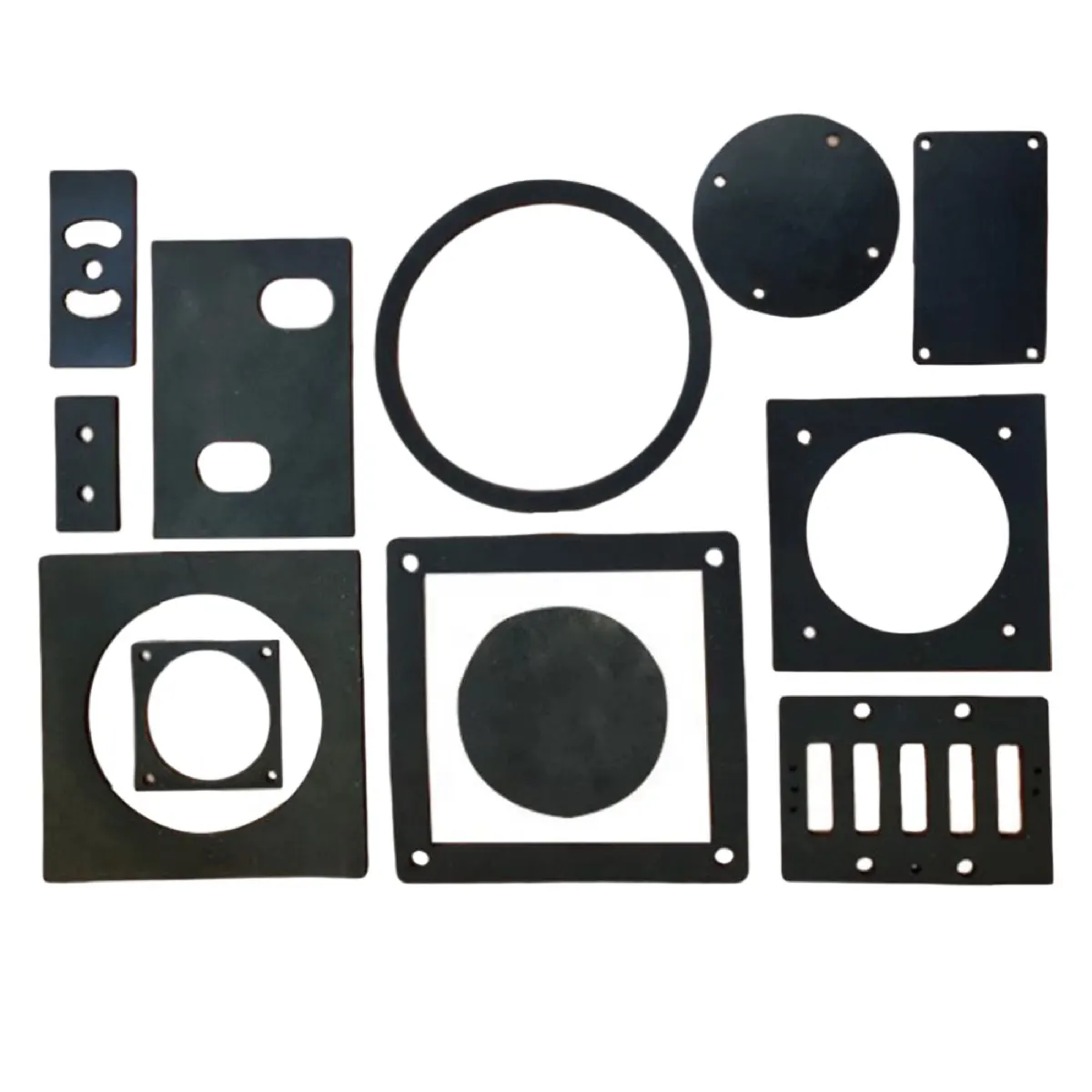
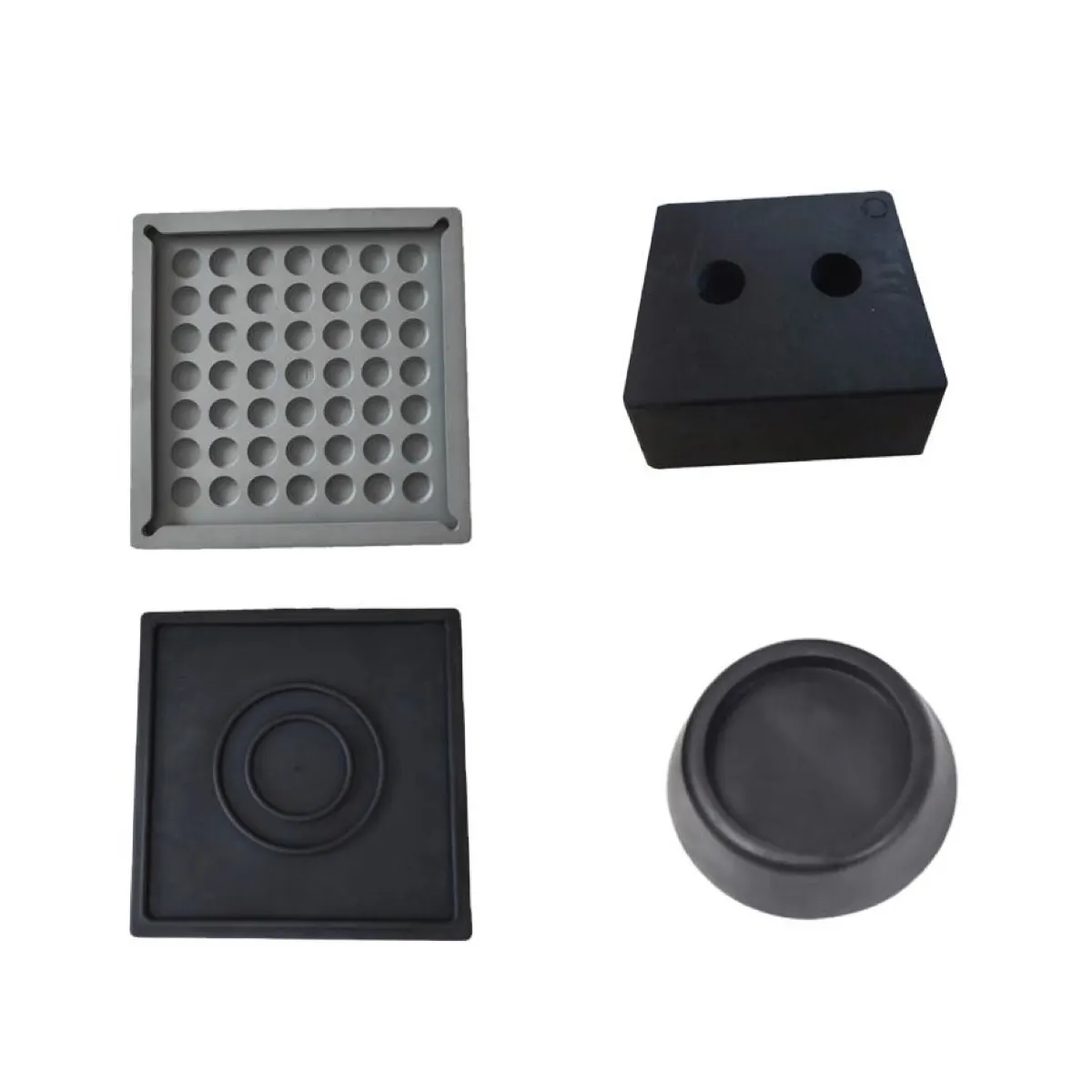
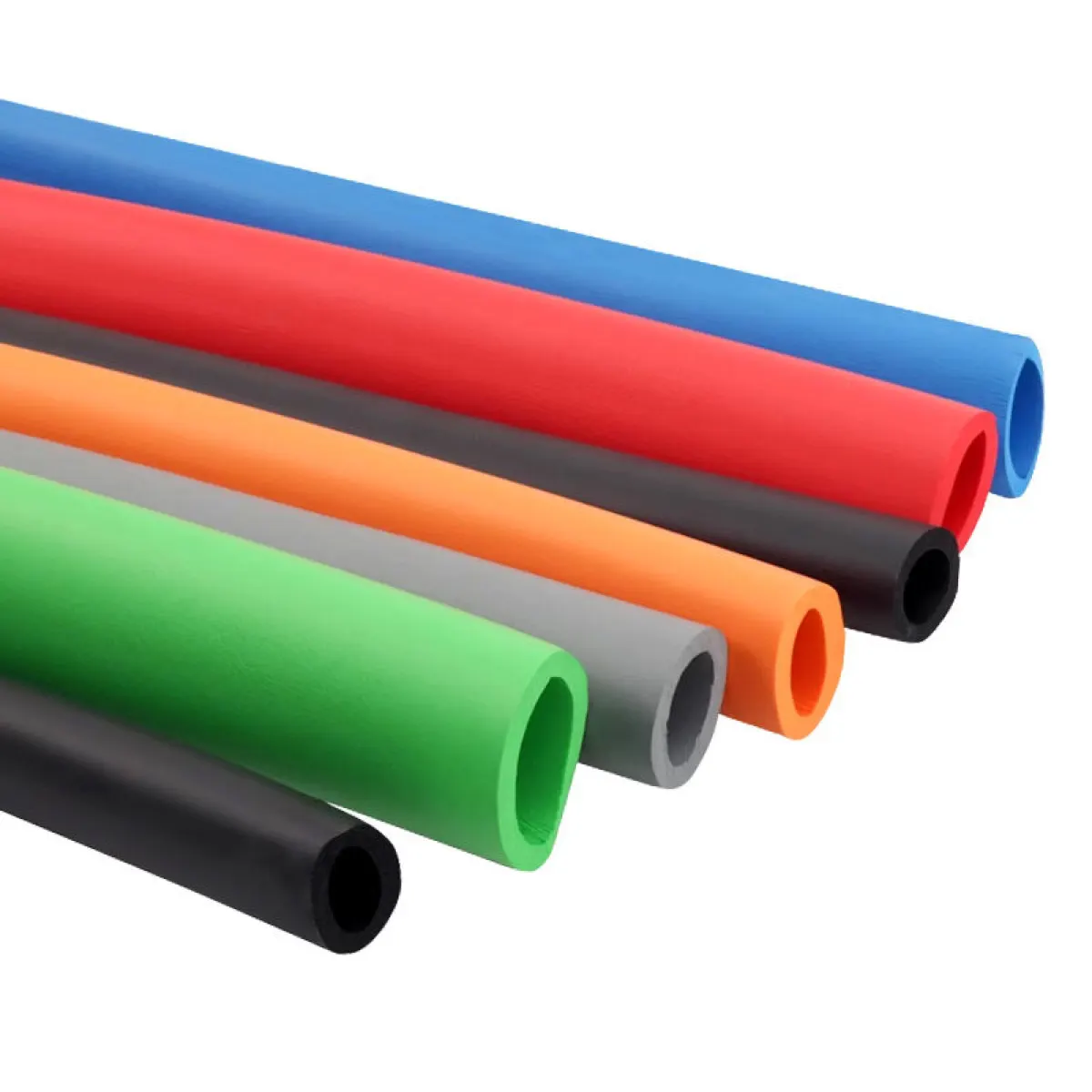
Compression and transfer molding for the shaped parts: oil seals, gaskets, hydraulic components and molded diaphragms. Transfer molding is the route for parts with inserts or with geometry that a straight compression charge will not fill evenly. Extrusion covers cord stock and simple profiles, and die-cutting covers flat gaskets from sheet.
Tooling is built in house, so a prototype cavity and a production cavity come from the same shop and the same drawing revision. Ten compression presses run in a 7,000 m² plant, and every part gets a 100% visual inspection before packing, which for an oil seal means the lip and the bore are looked at, not just the outside diameter.
Hardness, Colour and Compliance
Shore A 30 to 90. The soft end is for gaskets and seals that have to conform to a rough mating face under light bolt load. The hard end is for parts that must resist extrusion into a gap or hold a bore. Hardness is stated on the drawing and checked against the production batch.
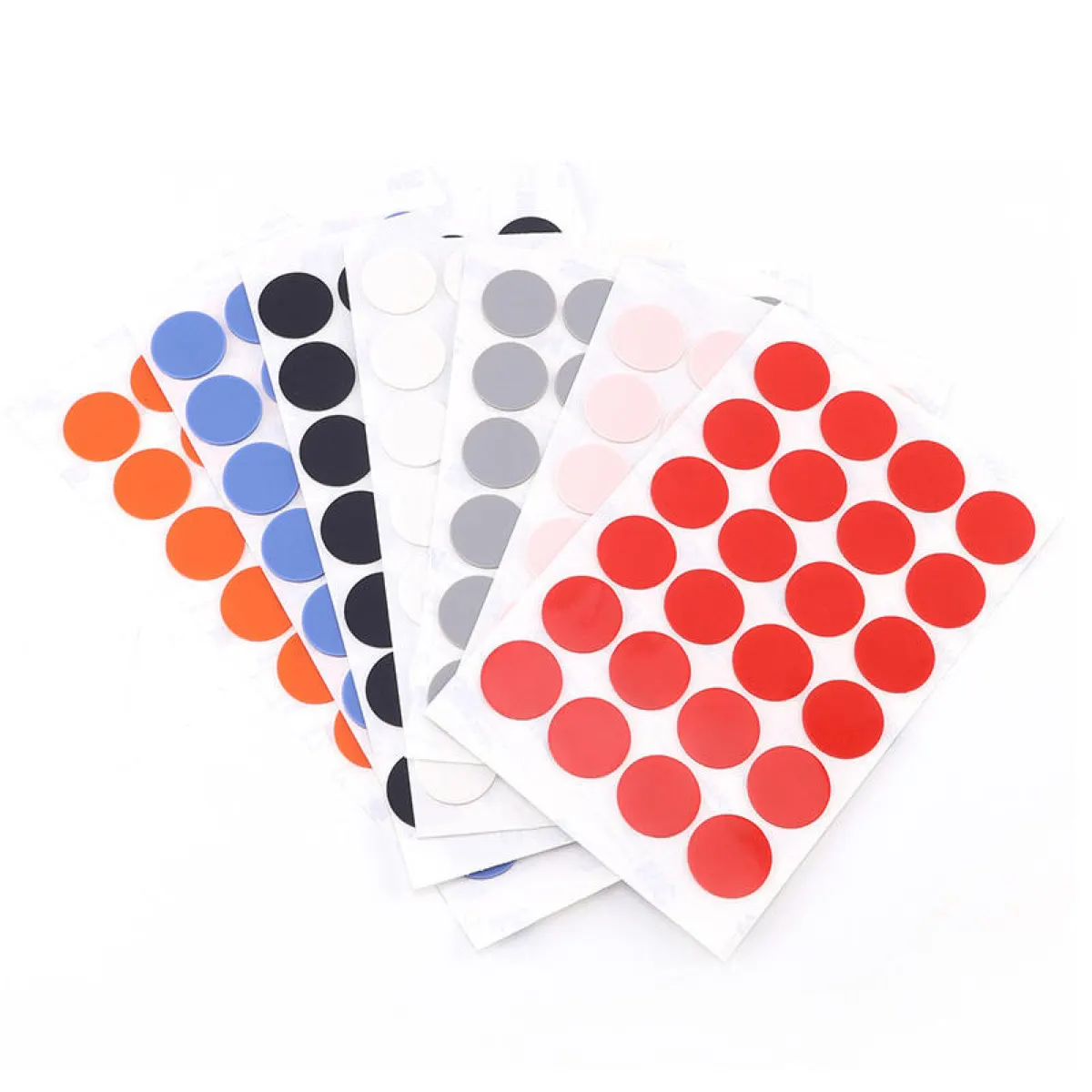
Black is standard. Color matching to a Pantone reference or a physical sample is available where the part is a visible component rather than a hidden seal, and laser marking is available for part numbers and lot codes. The plant is ISO 9001, ISO 14001 and IATF 16949 certified. RoHS and REACH declarations are issued on request for the specific compound and color.
What to Send for a Quote
A 2D drawing with the critical dimensions, or a 3D STEP or IGES model. State the compound and hardness, the annual volume, and a target price if you have one. If the part follows a standard such as AS568 or ISO 3601, send the standard number and the size designation, and say whether the mating hardware is already fixed, because that decides which dimensions are critical and which are free.
Tooling is quoted within 7 days and first samples follow in 7–12 working days. We return the quote within one business day of receiving the drawing. Mold cost and MOQ come down on volume, and for a part that runs every year the volume figure matters more than the first order quantity.