Custom silicone (VMQ) parts in platinum-cured or peroxide-cured stock: Shore A 20-90, -60 °C to 230 °C, molded, extruded or die-cut to your drawing.
Silicone rubber, designated VMQ, sits at the wide end of the temperature range we mold. Where a part has to stay elastic through both a cold start and a hot soak, it is usually the compound that survives both, and the premium over EPDM or NBR is small next to the cost of a field failure.
What This Compound Handles
Continuous service from −60 °C to 230 °C, which is the widest band in the four compounds we run. Silicone tubing we extrude is rated to 232 °C and can be autoclaved, so steam sterilization and hot-air ducting are both in scope. Within that band the material is available as platinum-cured or peroxide-cured stock, and the choice between them is a process decision rather than a performance grade.
Two other properties decide most silicone enquiries. UL94 V-0 grades are available where the part sits inside an enclosure that has to pass a flame test. Food-contact and medical grades are available on request, which covers anything that touches a consumable or a patient. Density is about 1.15 g/cm³, roughly two thirds that of FKM at 1.9 g/cm³, so a silicone part is lighter at equal volume and the difference shows up in mounts and in anything that has to hang.
Where the duty is mineral oil, grease or fuel, the range's oil-resistant compounds are NBR and FKM, and we will say so on the drawing review rather than mold a part that will swell.
Where We Mold It
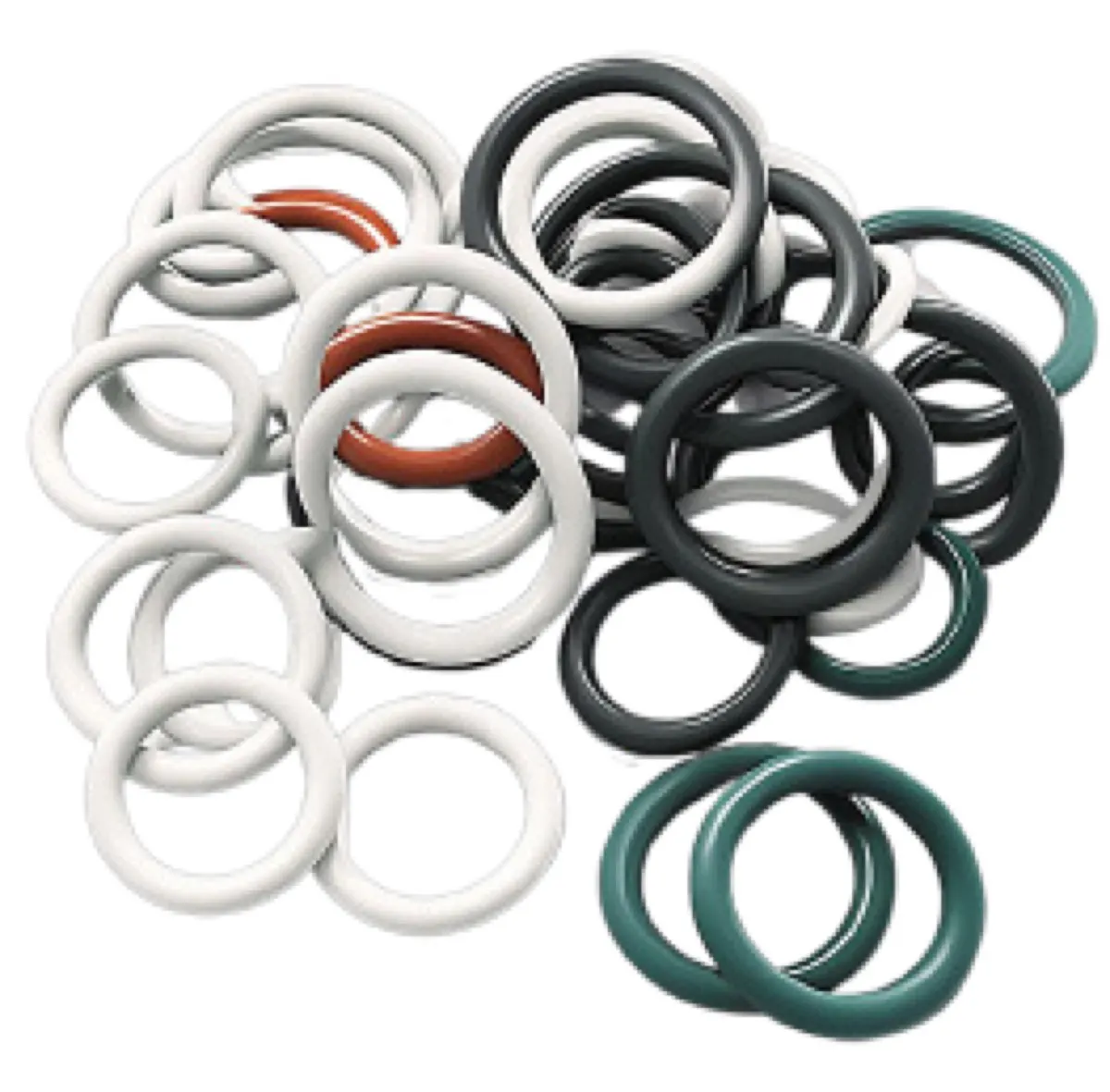
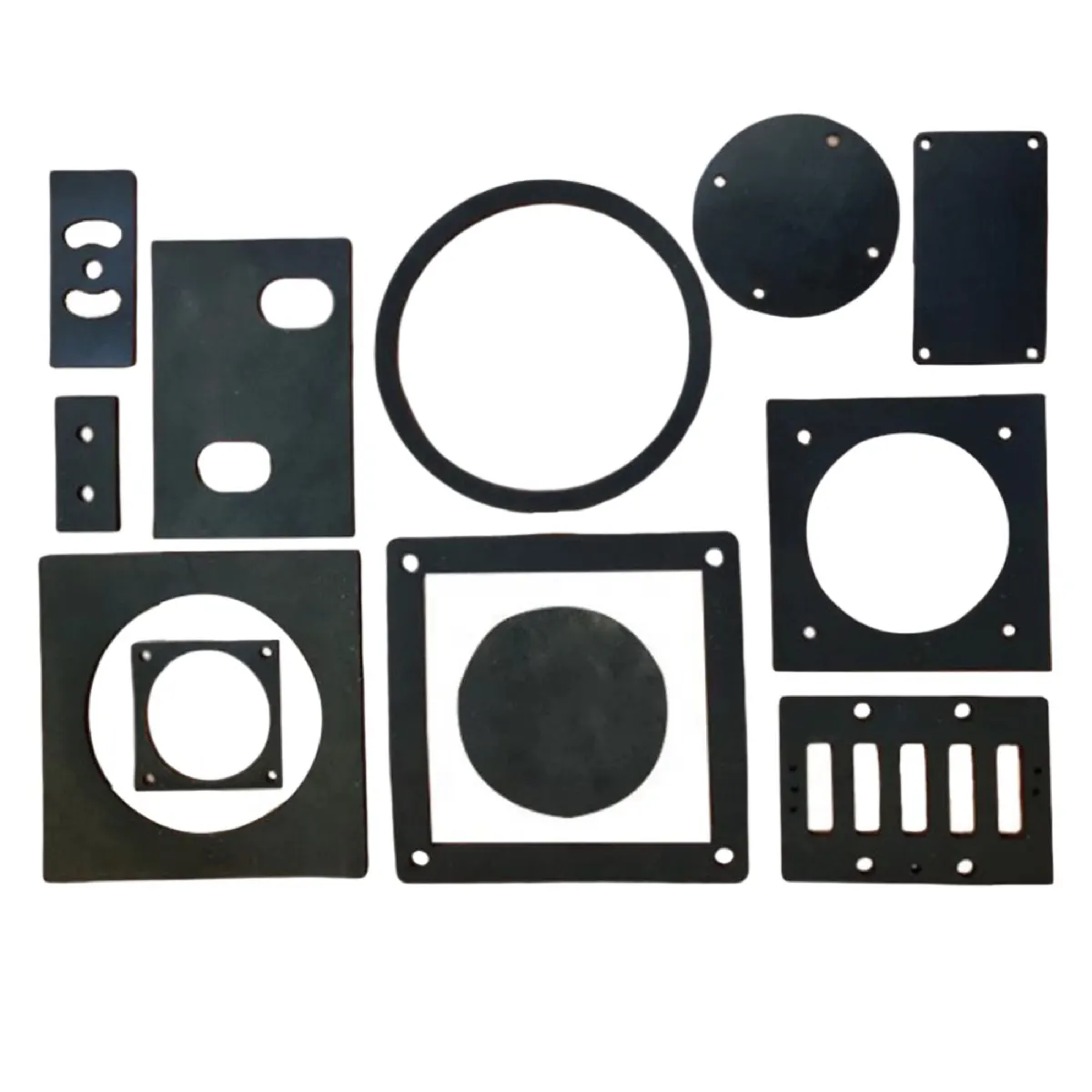
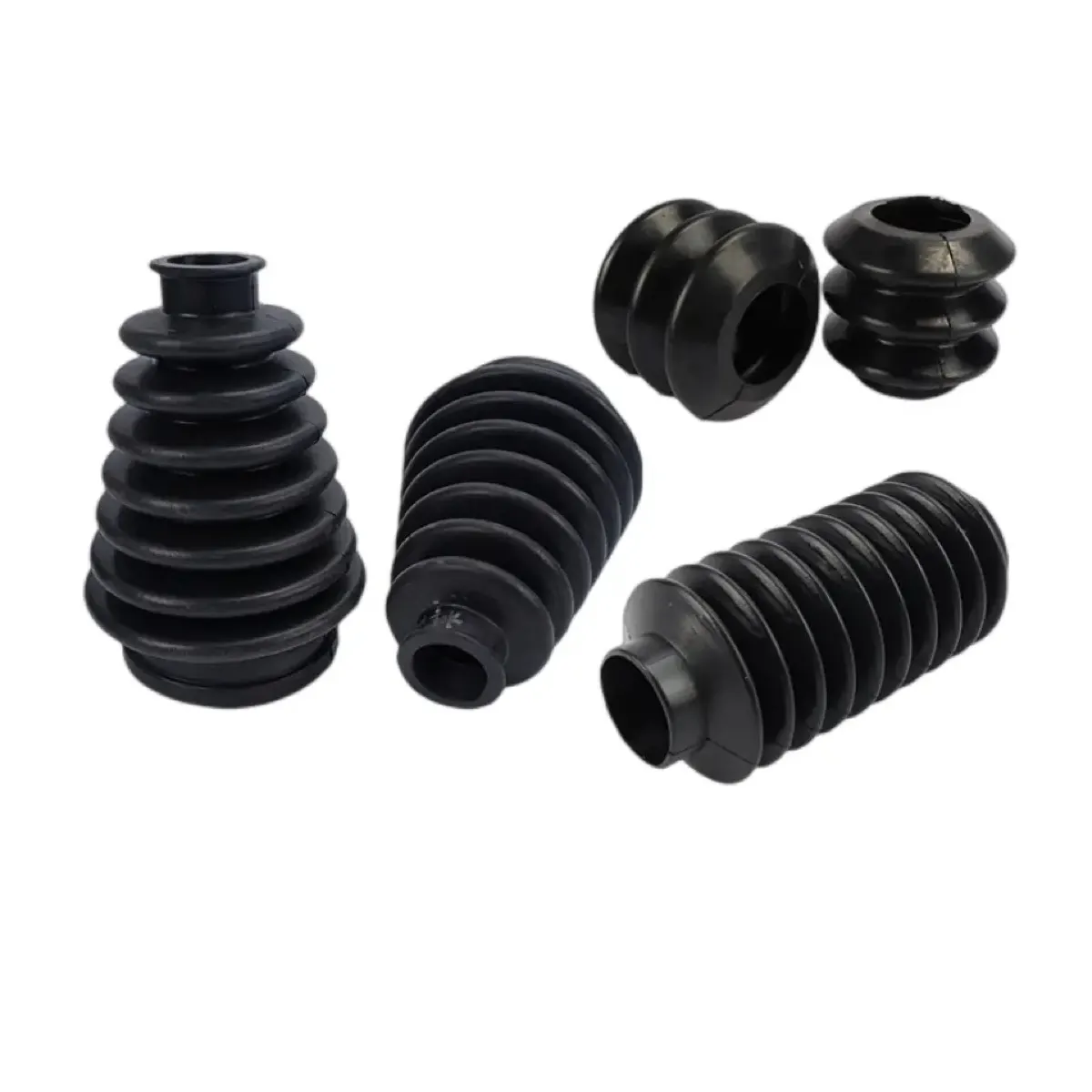
Compression molding, liquid silicone injection and extrusion, plus die-cutting for flat work. Compression covers most geometries, including O-rings, flat gaskets and molded sleeves. Liquid silicone rubber injection suits smaller, more detailed parts and higher cavitation. Extrusion produces silicone tubing and hose in continuous lengths, cut to size on site. Die-cutting handles gaskets and pads from sheet.
Tooling is built in house, so a revision to the cavity does not wait on a third party. Ten compression presses run in a 7,000 m² plant, and every part gets a 100% visual inspection before it is packed.
Hardness, Colour and Compliance
Shore A 20 to 90. The soft end suits pads and sealing lips that must conform under light load. The hard end suits parts that have to hold shape, such as spacers and housings. Hardness is called out on the drawing and checked against the production batch.
Color is matched to a Pantone reference or to a physical sample you send. Laser marking puts part numbers, lot codes and orientation marks directly on the part, which removes a labeling step at your line. The plant is ISO 9001, ISO 14001 and IATF 16949 certified. RoHS and REACH declarations are issued on request for the specific compound and color.
What to Send for a Quote
Send a 2D drawing with the critical dimensions, or a 3D STEP or IGES model if the geometry is curved. Add the compound and hardness, the annual volume, and a target price if you have one. If the part follows a standard such as AS568 or ISO 3601, give the standard number and the size designation rather than redrawing it.
Tooling is quoted within 7 days and first samples follow in 7–12 working days. We return the quote within one business day of receiving the drawing. Mold cost and MOQ come down as volume rises, and we will show both numbers in the reply.